A Closer Look at Governor DeSantis’ Controversial Bill
In a move that has sparked considerable debate, Governor Ron DeSantis has signed House Bill 1365, a new law that makes it illegal for homeless people to sleep or camp in public spaces. While DeSantis says this law will improve Florida residents’ lives, many disagree about whether it will help or hurt.
What Does House Bill 1365 Do?
Starting in October 2024, house bill 1365 requires cities and counties in Florida to create specific places for homeless people. These areas must provide essential amenities and have basic services that people need to live.
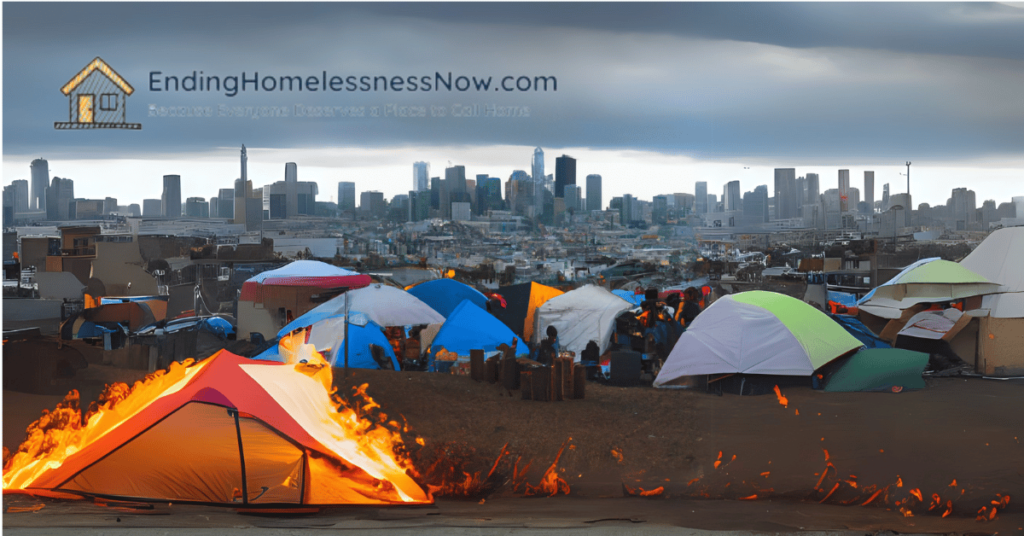
DeSantis says this will help Florida avoid the problems that cities like San Francisco face, where many homeless people live on the streets. The stated goal is to make public areas safer and cleaner.
Beginning January 1, 2025, residents can take legal action against municipalities that don’t follow these requirements.
Mixed Opinions on the Law
The legislation represents one of the most aggressive statewide responses to public camping in recent years. Some people support the law because they think it will make public spaces safer and cleaner. Others say it punishes homeless people without fixing the real problems that cause homelessness, like expensive housing and lack of mental health care.
What Cities and Counties Must Do
Under this new law, local governments must create and maintain special areas where homeless people can camp. These places need basic services and must be kept clean and safe for both the homeless and everyone else in the community.
So, Who’s Paying For These New Camping Areas?
A big question is who will pay for these new camping areas. People are debating whether the money should come from local taxes or state funds. Many smaller cities are worried they won’t have enough money to create and maintain these areas.
How Cities Are Responding
In Sebastian, Florida, city officials are meeting with lawmakers to determine how to handle the new law. They’re especially concerned about helping homeless people in Indian River County, many of whom lost their homes because rent became too expensive.
Cities are working with non-profit organizations to get state and federal government money to help create these camping areas.
How the Law Affects Homeless People
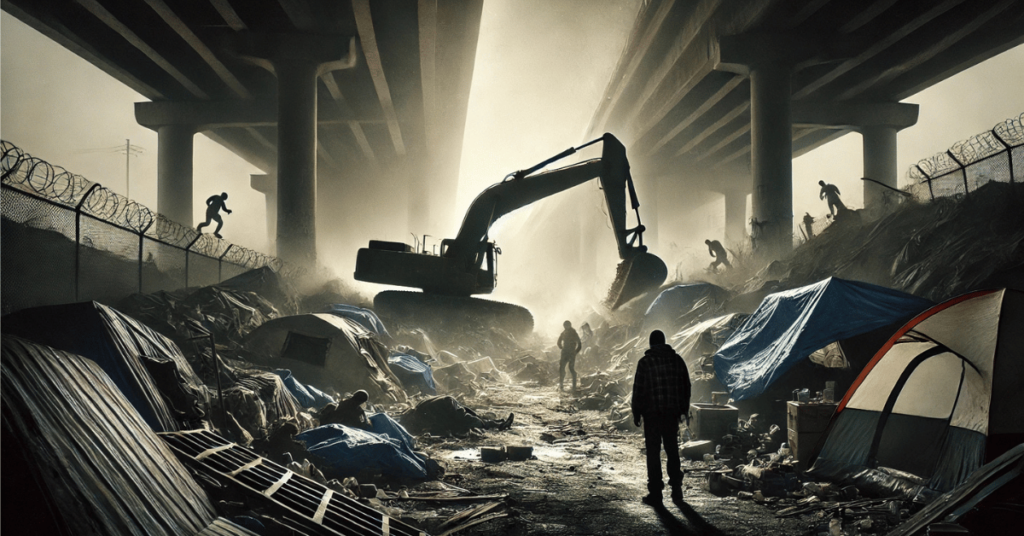
The new law creates problems for people living on Florida’s streets. They might get arrested or forced to leave places where they usually stay. People who work to help the homeless say this law treats being homeless like a crime instead of fixing why people become homeless.
Some people say they would rather go to jail than stay on the streets because, at least in jail, they get food and a place to sleep. The law makes life harder for homeless people by forcing them to leave places they know and people who help them.
Groups that help homeless people worry they won’t be able to find their clients after they move to avoid the police.
How Florida’s Law Compares to Other States
Other states have made similar laws about where homeless people can sleep. Oregon, for example, made rules about sleeping on streets.
Florida’s law differs from New York’s, where the state must give all homeless people a place to stay. In Florida, cities and counties have to make special areas for homeless people. Courts have said before that cities can’t ban sleeping in public if they don’t have enough shelter space for everyone.
When California made similar rules, they had to change them to protect people’s rights while still keeping public spaces clean and safe.
Effects on Florida’s Image
The new homeless law might change how tourists see Florida. Visitors might feel uncomfortable watching police remove people from streets and parks. Store and restaurant owners worry that strict enforcement might change how their business areas feel to customers.
What Happens Next?
Some cities are worrying about possible resident lawsuits if they can’t meet the law’s requirements by 2025.
Other states are watching to see what happens in Florida because they might want to make similar laws.
And, with the change in adminstrations, no one knows what kind of decisions the federal courts will make in the coming months.