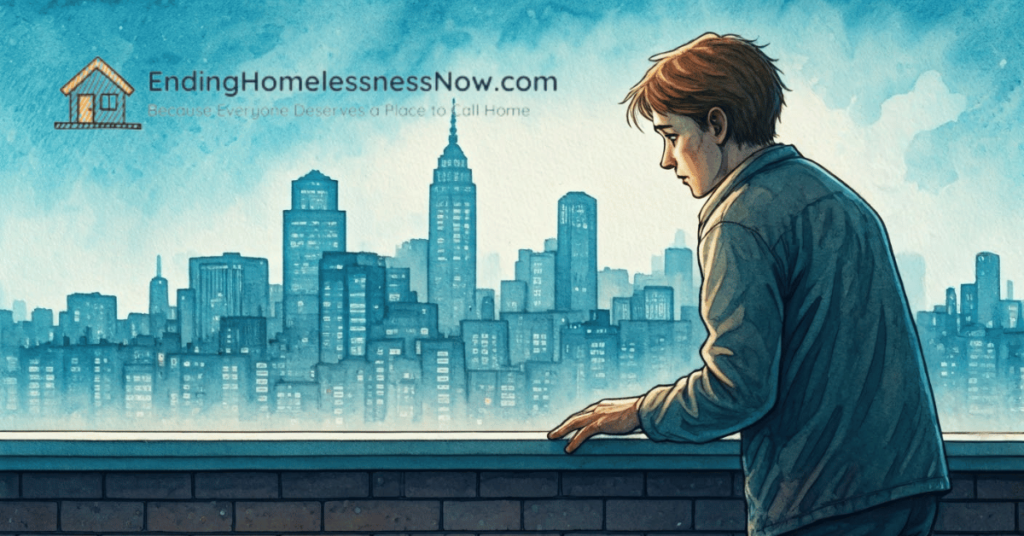
The devastating link between drug addiction and homelessness impacts countless Americans. And while people often think drug use causes homelessness, the truth is more complex.
Drug addiction and homelessness feed into each other, creating a cycle that’s hard to break. However, people can overcome both challenges with proper support and understanding.

How Drug Addiction Can Lead to Homelessness
Drug addiction often starts a chain of events that can lead to losing one’s home:
- Job Loss: Drug use makes it hard to keep a job. Missing work, poor performance, and failed drug tests often lead to getting fired.
- Money Problems: The cost of drugs drains savings that could pay for rent or food. Even with a job, someone might spend their paycheck on drugs instead of basic needs.
- Damaged Relationships: Drug use can push away family and friends who might otherwise offer help or a place to stay.
- Poor Decisions: Drugs affect judgment, leading to choices that make housing unstable.
The Numbers Tell a Story
On any given night, about 650,000 people are homeless in the United States. Among them:
- 38% struggle with alcohol abuse
- 26% face drug addiction
- Many deal with both drug use and mental health problems
These numbers hurt our whole country. Homelessness and addiction cost billions in emergency medical care, police response, and shelter services.
More importantly, they waste human potential. Each person trapped in this cycle could be working, caring for family, or giving back to their community.
When we help people overcome addiction and homelessness, everyone benefits through stronger communities, lower healthcare costs, and safer neighborhoods.
Common Drugs and Their Impact
Alcohol
Alcohol remains the most-used drug among homeless people. It’s cheap and easy to get, which makes it seem like a quick fix for stress.
But alcohol addiction creates many problems. People who are addicted to alcohol often lose their jobs because they miss work or can’t focus. They struggle to manage their money and frequently spend what little they have on drinking instead of food or rent.
Their health gets worse, both from the alcohol itself and from not taking care of themselves. The alcohol makes it hard to think clearly or make good decisions. Many find it challenging to get help from services because they can’t stay sober long enough to complete programs or meet with counselors.
Opioids
The use of opioids is rising due to more prescription drugs and potent synthetic opioids like fentanyl. These powerful drugs, including prescription painkillers and heroin, are very addictive.
People who use opioids face deadly risks like overdose, which can happen even to experienced users. Many get serious health problems from sharing needles, including HIV and hepatitis.
Jobs become impossible to keep as the need for drugs takes over their lives. Money problems pile up quickly as they spend everything they have on opioids.
Family members and friends often pull away after having their trust broken too many times, leaving the person without a support system when they need it most.
Mental Health and Drug Use
Many homeless people struggle with both mental illness and drug use. Without treatment, mental health problems can lead to drug use as a way to cope. This makes both issues worse and can trap someone in homelessness.
Breaking Free: Solutions That Work
Getting Help
Effective programs offer several types of support simultaneously. Drug treatment helps people break free from addiction, while mental health care addresses the emotional pain that often led to drug use in the first place.
Help with housing gives people a stable place to live so they can focus on getting better instead of just surviving day to day. With a safe home, people can learn job skills and find work, giving them money to stay housed and rebuild their lives.
Medical care keeps them healthy enough to work and recover.
Each piece supports the others – it’s hard to beat addiction without housing, hard to keep housing without a job, and hard to keep a job without being healthy. When all these supports work together, people have their best chance at lasting recovery.
What Communities Can Do
Local groups and government agencies need to work together to:
Build more affordable housing: Cities should create new housing that people can afford on limited incomes. This means setting aside land for low-cost apartments, offering incentives to developers who build affordable units, and protecting existing low-cost housing from being torn down.
Make drug treatment easy to access: Locate treatment centers where people can reach them by public transportation. Programs should accept all types of insurance and offer help regardless of someone’s ability to pay.
Make it easier to access Medication-Assisted Treatment (MAT). Provide resources to prevent overdoses, like naloxone, and offer caring support services. These are vital steps to help homeless communities deal with the opioid crisis.
Provide mental health services: Communities need both emergency mental health care and long-term counseling options. These services should be available in multiple languages and respect different cultural backgrounds.
Support job training programs: Local businesses can partner with housing programs to offer job training and hiring opportunities. Programs should teach both job skills and workplace habits while helping people get proper work clothes and transportation.
Fight unfair treatment of people with drug problems: Communities must educate the public about addiction as a medical condition, not a moral failing. This includes training police, healthcare workers, and landlords to treat people with addiction fairly and with respect.
Hope for Recovery
Breaking free from both drug addiction and homelessness is possible. With support from the community and access to the right services, people can:
- Find stable housing
- Overcome addiction
- Rebuild their lives
- Help others facing similar challenges
The road to recovery isn’t always straight, but each step forward matters. By understanding how drug addiction and homelessness connect, we can better help those who face these challenges.
Additional Resources
For more information about addiction and homelessness:
- https://americanaddictioncenters.org/rehab-guide/addiction-statistics-demographics/homeless
- National Alliance to End Homelessness www.endhomelessness.org Offers research, policy updates, and ways to help end homelessness.
- Substance Abuse and Mental Health Services Administration (SAMHSA) www.samhsa.gov/homelessness-programs-resources Provides treatment locators and support services.
- National Health Care for the Homeless Council www.nhchc.org/resources/ Clinical resources and research about homeless healthcare.