The U.S. government is crucial in providing safe and affordable housing options through various federal programs.
These federal housing programs help many families who might otherwise face homelessness secure safe and stable homes.
The people helped include low-income families, veterans, people with disabilities, and many others.

Why Housing Help Matters
A stable home is more than just a roof over your head – it’s the foundation for a good life. When people have secure housing, they can:
- Focus on their jobs and careers
- Help their children succeed in school
- Stay healthy
- Save money for their future
- Be active members of their community
The U.S. Department of Housing and Urban Development (HUD) runs most federal housing programs. HUD works with local housing agencies nationwide to provide this help where needed most.
Main Types of Housing Help
Housing Choice Vouchers (Section 8)
The Housing Choice Voucher Program, often called Section 8, is one of the most extensive housing programs. It helps families rent homes they choose themselves. Here’s how it works:
- Families get vouchers they can use to pay part of their rent
- They can pick any home that meets the program’s rules about safety and cost
- The government pays part of the rent directly to the landlord
- Families pay the rest of the rent, usually about 30% of their income
This program gives families the freedom to choose where they want to live. They can pick homes near their jobs, good schools, or family members.
Public Housing
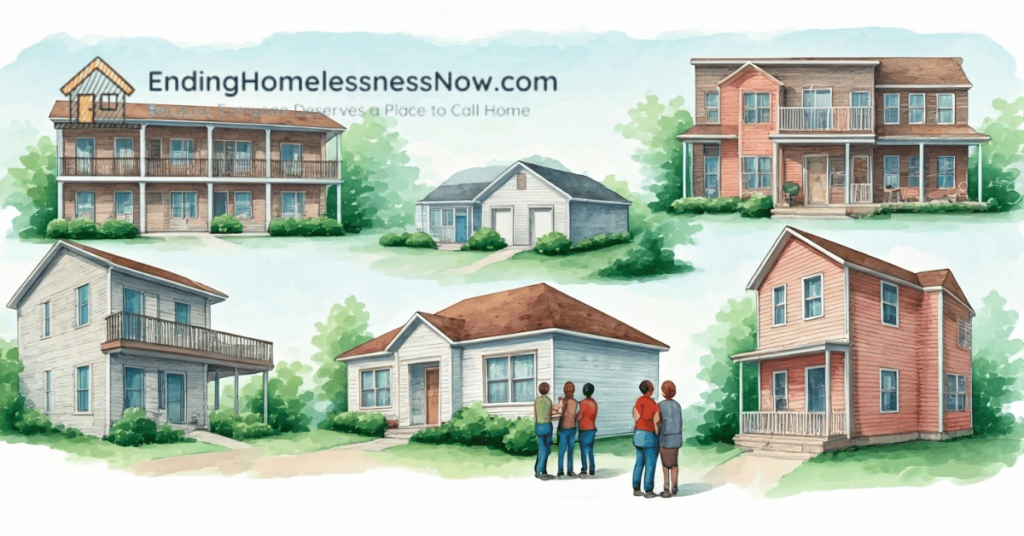
Public housing provides affordable rental homes that local housing agencies own and manage. These homes come in many types:
- Apartment buildings
- Small houses
- Townhouses
- Mixed-size developments
Public housing serves many people, from families to seniors to single adults. Rent is based on each family’s income, making it affordable for those who need it most.
Project-Based Rental Assistance
Some apartment buildings have special agreements with the government to provide affordable housing. These buildings offer stable, affordable homes for many families. Here’s how the program works:
- The rental help stays with the building: Unlike vouchers that move with families, this help is tied to specific apartments. When one family moves out, the next family that moves in gets the same rental help. This means these buildings remain affordable for the long term.
- Tenants pay reduced rent based on their income: Most families pay about 30% of their monthly income for rent and utilities. If your income changes, your rent amount can change, too, helping you stay stable even if you face hard times.
- The government pays the rest directly to the building owner: After you pay your portion of the rent, HUD pays the building owner the rest. You don’t need to worry about this part – it happens automatically between the owner and HUD.
- Buildings must meet quality and safety standards: Every year, these buildings must pass inspections to ensure they’re safe and well-maintained. This includes checking things like heating, plumbing, security, and overall building condition.
To find an apartment in one of these buildings, you can:
- Visit HUD’s Resource Locator website (https://resources.hud.gov/)
- Contact your local Public Housing Agency
- Call the housing authority in the cities where you want to live
- Ask local housing counseling agencies for help finding these properties
Each building has its own waiting list, and you can apply to multiple buildings simultaneously. This gives you a better chance of finding a home. When you apply, the building manager can tell you about wait times and answer questions about the application process.
Special Programs for Different Needs
Help for Veterans
Veterans and military families can get special housing help through programs like:
- VA home loans that make buying a house easier
- Special housing vouchers for veterans who need them
- Extra support for veterans who are homeless or have disabilities
These programs honor veterans’ service by helping them find stable homes when they return to civilian life.
To find and apply for veteran housing programs:
- Start at your local VA office or visit www.va.gov/housing-assistance
- Meet with a VA housing counselor who can explain all your options
- Contact your local Public Housing Agency about special housing vouchers for veterans (called HUD-VASH)
- Visit a Veterans Service Organization (VSO) office – they often have housing specialists who can help
- If you’re experiencing homelessness or at risk, call the National Call Center for Homeless Veterans at 1-877-424-3838
Support for People with Disabilities
People with disabilities often need homes with special features. Programs for them include:
- Housing designed for easy access
- Help to pay rent
- Support services to live independently
- Aid in finding homes that meet their needs
To find housing assistance for people with disabilities:
- Contact your local Public Housing Agency to ask about:
- Mainstream vouchers for people with disabilities
- Modified units in public housing
- Special accommodations in regular housing programs
- Visit your local Center for Independent Living (CIL). These centers can:
- Help you understand all your housing options
- Connect you with local disability-friendly housing
- Help fill out applications
- Find programs that offer support services
- Check with your state’s housing agency about:
- State-funded accessible housing programs
- Special programs for specific disabilities
- Help to modify existing homes
- Contact social service agencies in your area that can connect you with:
- Group homes
- Supported living arrangements
- Other specialized housing options
If you need help paying rent, you can apply for Social Security’s disability programs (SSI/SSDI) through your local Social Security office. These programs often make it easier to qualify for housing assistance. Also, many communities have housing locator websites that let you search specifically for accessible units.
Getting Housing Help
If you need housing assistance:
- Contact your local housing agency
- Ask about programs you might qualify for
- Gather important documents like ID and proof of income
- Apply for programs that fit your needs
- Stay in touch with the housing agency about your application
Remember that while waiting lists can be long, new opportunities open up regularly. Many housing agencies can also connect you with other helpful resources while you are waiting.
Looking to the Future
The government continues to improve housing programs in several important ways:
- Using new technology to serve people better: New online systems make it easier to apply for housing help and check application status. Mobile apps help people search for homes and stay in touch with housing agencies. Better computer systems help housing agencies process applications faster and match people with the right programs.
- Working with private companies to build affordable homes: The government partners with builders and developers to create more affordable housing. These partnerships often mean more homes can be built faster. Companies get incentives to build affordable units, which helps create more housing choices in more neighborhoods.
- Making sure programs are fair and reach everyone who needs them: Housing agencies are improving how they tell people about available programs, especially in communities that might not know about them. They’re also making sure the rules work fairly for everyone and that help gets to the people who need it most.
- Responding to changing community needs: Housing programs are becoming more flexible to help with new challenges. This includes helping people affected by natural disasters, supporting areas with changing job markets, and creating housing that works for different types of families and households.
While there’s still work to do, these programs help millions of Americans find and keep stable, affordable homes. In return, our communities will grow stronger, and more people will have the chance to build better lives.